

In this article:
Thinking of upgrading to a Hot Water Heat Pump? Here’s all you need to know.
There are lots of good reasons to make the move to a hot water heat pump. Your existing hot water system’s getting old, you’re renovating your home, or maybe you’re looking for a more energy-efficient way to heat water.
With increasing energy prices and a greater awareness of our environmental footprint, more and more Kiwis are making the switch.
But many people wonder what happens to their existing cylinder or their continuous flow gas system when you make the switch? And can a hot water heat pump be installed as a straightforward replacement?
In many homes, a retrofit is entirely possible. But the installation approach depends on the type of system you’ve currently got, your home’s plumbing, your available space, and your home’s hot water needs.
Rinnai are hot water experts with over 50 years’ worth of experience right here in New Zealand. Our expertise covers conventional electric hot water cylinders, continuous flow gas water heaters, as well as hot water heat pumps. Which means we’re perfectly positioned to give you the helpful advice that follows, arming you with all the facts.
What is a hot water heat pump?
In simple terms, a hot water heat pump uses heat pump technology to efficiently heat up your water, which is then stored in a cylinder.
So it works in exactly the same way as a heat pump by extracting heat energy from the surrounding air. This energy is used to heat the water in the cylinder. It’s then piped into your home and to your taps, just like it normally would be.
The great thing is that it uses significantly less electricity than conventional electric water heating, bringing your power bills down and being kinder to the environment.
In New Zealand, Rinnai offers a range of integrated hot water heat pumps: HydraHeat® and Enviroflo™.

The Rinnai HydraHeat® Integrated
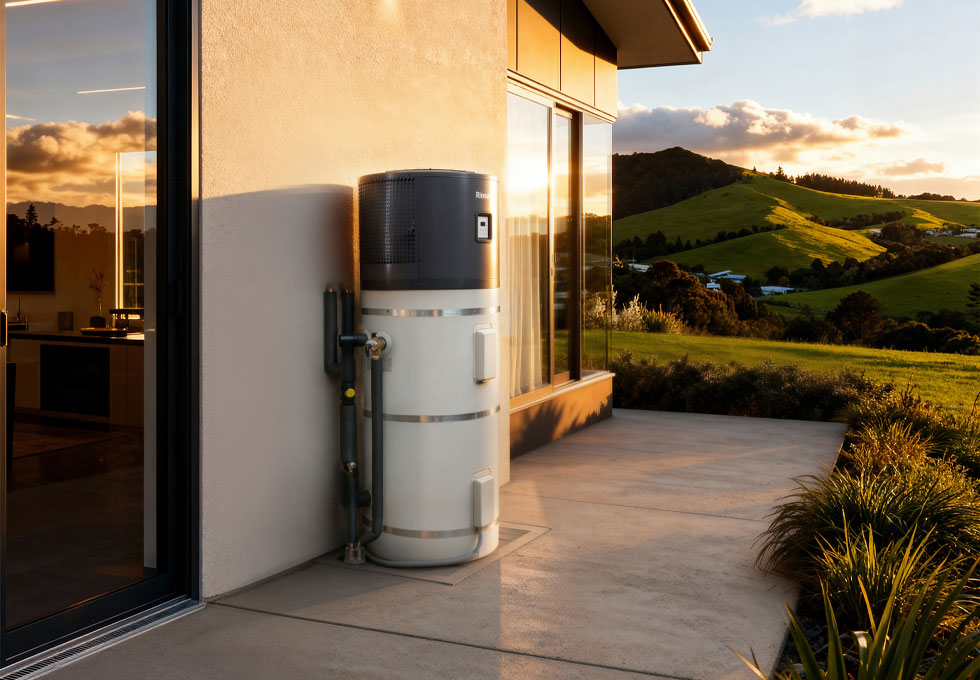
The Rinnai HydraHeat® Integrated is a hot water heat pump designed in New Zealand for Kiwi homes and conditions, drawing on Rinnai’s 50 years of experience developing hot water solutions for New Zealand.
Its modular design combines a powerful heat pump head unit, locally manufactured here in Aotearoa, with an electric hot water cylinder. The head unit is removable, making installation and servicing easier, while allowing the cylinder to continue providing hot water if the heat pump head is out of action.
The HydraHeat® Integrated also features Rinnai’s unique single-pass, top-down heating system. This heats the water faster and more efficiently, delivering rapid hot water recovery and making the system second-shower ready within 30 minutes.
Available in 275L and 340L models, the range is suited to homes of 2–5 and 2–7 people respectively. Models manufactured from July 2026 onwards also feature built-in Solar PV compatibility.
And with Rinnai’s engineering support team based in Auckland, local technical expertise is close at hand.

The Rinnai Enviroflo® GR
The Rinnai Enviroflo™ GR is an economic yet efficient integrated hot water heat pump system, delivering fast, environmentally-friendly water heating at an entry-level price point.
To help you save even more on power, it’s solar PV compatible and comes with set timers so you can take advantage of cheaper, off-peak electricity, reducing the running cost of the unit.
It’s available in 215L, 265L and 280L capacities to suit homes between 2 to 6 people. Both of these hot water heat pumps also come as a split system, where the heat pump unit is separate from the water cylinder. We’ll tell you more about that later.
Can you replace an existing hot water cylinder with a hot water heat pump?
Yes, in many cases you can. Although it’s not just a matter of a straight swap. You’ll need to get a local installer from our qualified installer network to check things like your:
- plumbing connections
- electrical requirements
- location and available space
- hot water demand
- cylinder size
- outdoor unit requirements
- positioning for airflow, noise and servicing access
They’ll also be able to see whether your existing pipework can be reused, and of course they can remove your existing cylinder for you too.
There’s another option where you may not even need to remove your existing cylinder. In some instances, you can reuse it with Rinnai’s HydraHeat® Split Hot Water Heat Pump.
Rinnai’s HydraHeat Split Hot Water Heat Pumps give you the efficiency of heat pump technology without, in many instances, having to install a brand new cylinder.
If your current cylinder is compatible, the HydraHeat Split Hot Water Heat Pumps can easily be retrofitted to upgrade your current water heating system – cutting waste, reducing costs and maximising performance all at the same time.
This external heat pump unit sits on the outside of your house. It draws from the air outside to heat cold water from the bottom of your cylinder, and then delivers it back to the top of the cylinder for fast top-down heating, ensuring you have hot water right when you need it.
What if you have continuous-flow gas hot water?
This is quite different to replacing a hot water cylinder. With a continuous-flow gas system, there is no cylinder.
The process generally involves:
- removing or decommissioning the existing gas continuous-flow unit
- installing a hot water storage cylinder
- installing the heat pump system
- connecting the home’s existing hot water pipework
- completing the required electrical and plumbing work
- dealing appropriately with the existing gas connection and flue
You might be able to keep your home’s existing hot water pipework, depending on the installation. But the gas appliance itself is completely replaced by a hot water heat pump.
You can either choose a fully integrated system where the electric cylinder and the heat pump are part of the same unit. Rinnai offers the HydraHeat® or Enviroflo® range of integrated systems.
Or you can choose a split system where the electric cylinder and the heat pump are separate. Rinnai has both the HydraHeat® Split Hot Water Heat Pump and the Enviroflo® Split Hot Water Heat Pump.
What happens to your existing gas system?
Basically, your gas continuous flow unit is removed and decommissioned. Any gas supply and connection work needs to be dealt with by the appropriate qualified professional. It’s never something you should do yourself. The new system requires an electrical supply, so again this will need a qualified professional.
The new electrical storage cylinder also needs to be installed. Our network of qualified installers can take care of this for you. Overall, the process is straightforward and not at all out of the ordinary for professional tradies.
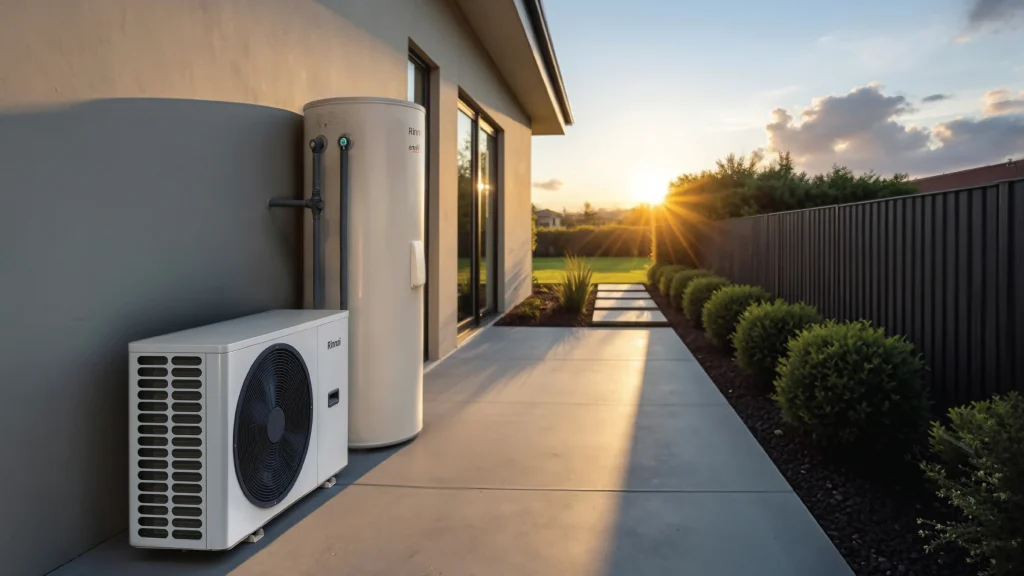
An integrated or split hot water heat pump. What’s the difference?
What is an integrated system?
The heat pump and the electric storage cylinder are combined into one unit. The benefits are:
- simpler, compact installation
- everything is contained in one appliance
- they’re suitable for many new and retrofit installations
What is a split system?
The heat pump unit and the hot water cylinder are separate pieces. The benefits of this are:
- more flexibility around where components are positioned
- useful where installation space is restricted
- potentially well suited to replacing existing systems in some homes
Rinnai has a range of solutions for both of these systems. The NZ-designed Rinnai HydraHeat® comes as an integrated and split system. And our entry-level Enviroflo™ also offers the options of integrated and split.
Will a hot water heat pump work with my existing plumbing?
In most cases, you won’t need to go replacing all the plumbing in your home. Just ask an installer from our qualified installer network to check things over for you. They’ll be able to assess:
- existing hot and cold water connections
- pipe sizes
- pressure
- drainage
- electrical supply
- and where your cylinder needs to go
Obviously every home is unique. Different ages, different sizes, different plumbing systems. So having a site assessment is the best idea.
What size hot water heat pump do I need?
It’s not always about replacing your old system with the same-sized new one. A lot of the time, you’ll find things have changed quite a bit since your old system was originally installed.
Some of the factors you need to look at are:
- number of people in the household
- number of bathrooms
- shower usage
- baths
- household routines
- other hot water appliances
- available installation space
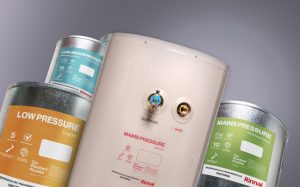
Rinnai offers a wide range of cylinder sizes, so you can have the right fit for your home. And bear in mind, bigger isn’t always better. What’s better is finding the right size. One that can operate efficiently while providing the hot water your household actually needs.
What are the benefits of upgrading to a hot water heat pump?
Rinnai’s hot water heat pump solutions are especially designed with New Zealand homes and conditions in mind. They give you a practical way to move towards a more sustainable water heating solution.
Here are the main benefits:
- A future-focused hot water solution – moving to efficient electric water heating can reduce our reliance on fossil fuels and create a more energy-efficient home.
- High energy efficiency – heat pump technology can deliver more heat energy than the electrical energy it consumes.
- Cost savings – they consume less electricity than your typical electric cylinder, which is not only better for the environment but also helps you save money on hot water costs.
- Can complement solar PV – a compatible hot water heat pump can use some of the electricity generated by your solar panels to heat and store hot water. Making it even more cost-effective.
- No combustion on site – there’s no gas combustion or flue required to heat the water, which means a reduction in greenhouse gas emissions.
Switching from a standard electric hot water cylinder?
To answer all of your questions for your particular home, it’s best to get a site check with one of the qualified installers from our network.
They’ll be able to quickly tell you if you can use your existing cylinder but connect it to a split system heat pump. Or if you’re better off replacing it completely with an integrated system.
They’ll also let you know if your existing plumbing can be used, which in many cases it can. And they’ll tell you if the new hot water heat pump can go where your old cylinder’s located.
You’ll be told what the best cylinder size is for your current and future needs. And the potential energy savings you can make compared to conventional electric resistance water heating.
Overall, you’ll be able to get a clear idea of how much (or how little) installation work is involved.
Just remember, a heat pump system still uses a hot water storage cylinder. It’s the way the water is heated that changes.
Switching from continuous flow gas hot water
This is quite different from switching from a standard electric hot water cylinder. For starters, there’s no cylinder to replace.
What’s more, your existing continuous flow gas unit will need to be removed and decommissioned by a qualified tradesperson. The gas connections and the flue will also need to be dealt with appropriately. But your existing hot water pipework can potentially be reused.
A qualified installer can talk to you about what electrical requirements you’ll need. And also where there’s a suitable space for the cylinder and heat pump equipment. If you’re looking at an integrated system, the water cylinder and the heat pump are all part of the same unit. Whereas with a split system, you’ll need space for the cylinder and a separate heat pump unit.
Whichever way you go, Rinnai has a range of solutions for both of these systems. The NZ-designed Rinnai HydraHeat® comes as an integrated and split system. And our entry-level Enviroflo™ also offers the options of integrated and split.
How much does it cost to upgrade to a hot water heat pump?
Each home’s situation will be very different. So it’s hard to give you a fixed cost. It all depends on which system you’re installing, what size, and what you’re replacing.
But here’s a guide to give you an idea of what’s involved in pricing up your new hot water heat pump.
| Existing System | What may be involved |
| Electric hot water cylinder | Remove/replace existing cylinder, install heat pump system, connect plumbing and electrical supply. |
| Continuous flow gas water heater | Remove/decommission gas unit, install cylinder and heat pump, modify plumbing/electrical connections and deal with existing gas/flue. |
| New build | Design and install the system as part of the home’s overall hot water/plumbing setup. |
Can I use my solar panels to heat my hot water?
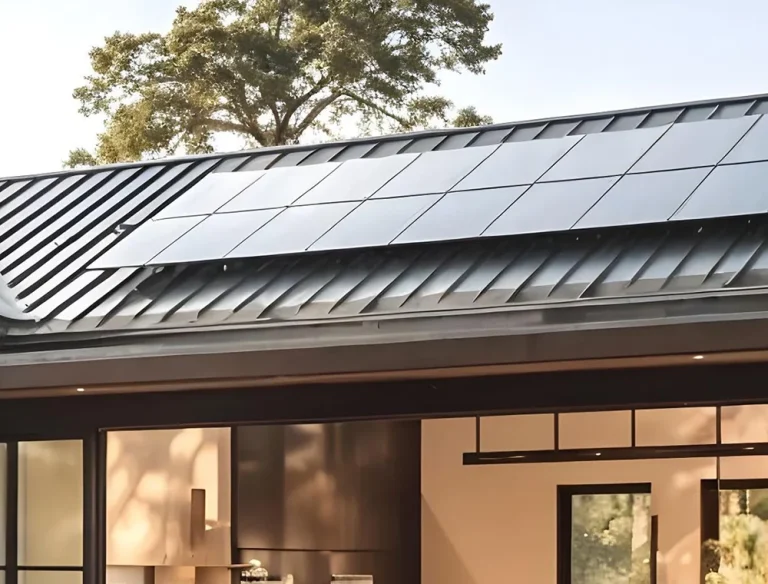
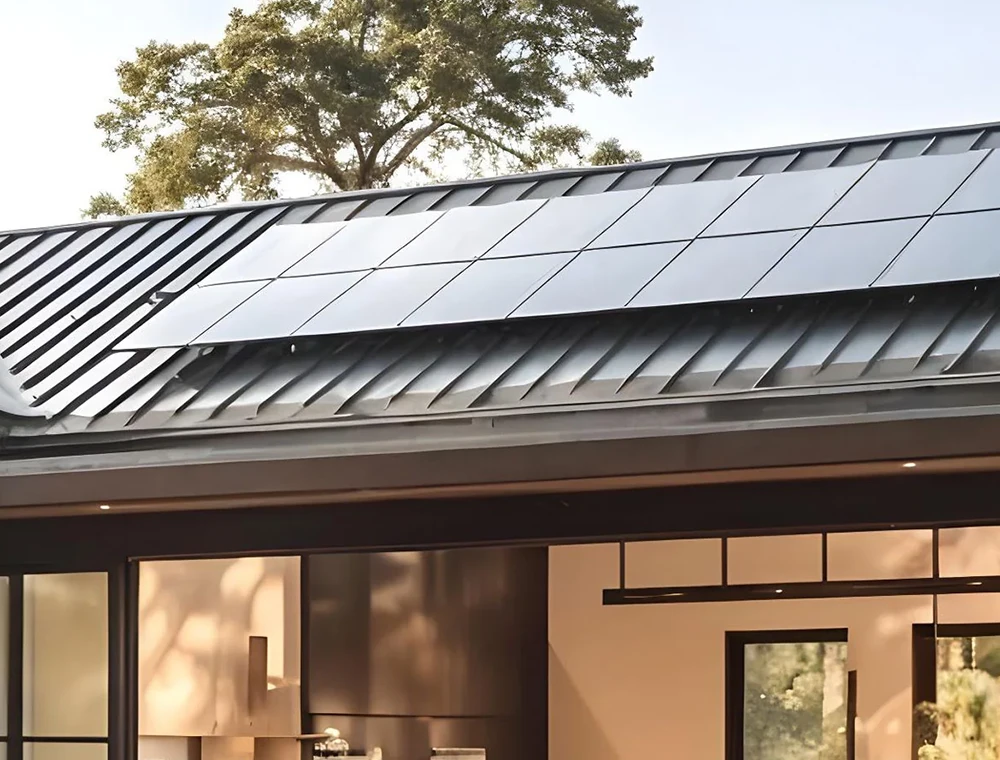
Absolutely. A hot water heat pump can work alongside solar panels, letting you use some of your solar-generated electricity to produce hot water. It means you can be doubly eco-friendly.
All of Rinnai’s Enviroflo™ hot water heat pumps are solar PV compatible. And any products in the HydraHeat® range manufactured after 1 July 2026 also have inbuilt compatibility. (For older units, compatibility is available as a firmware update at the time of service.)
Is switching to a hot water heat pump right for my home?
Here’s a helpful checklist to help you decide. Ask yourself:
- are you replacing an ageing hot water system?
- do you want to reduce energy consumption?
- are you renovating?
- do you want to move away from gas?
- have you got solar PV?
- do you want a more energy-efficient hot water solution?
- have you got a suitable space for a cylinder and heat pump equipment?
Your decision will also come down to choosing the right system and choosing the right size. Both of which Rinnai can help you to decide.
Just remember that Rinnai are New Zealand’s hot water experts. And our expertise covers conventional electric hot water cylinders, continuous flow gas water heaters, as well as hot water heat pumps.
So we’re perfectly positioned to offer you the right advice, whether you’re looking for a new installation or a retrofit.
Frequently Asked Questions
- Can I replace my gas hot water system with a hot water heat pump?
Yes, you definitely can. Talk to a qualified Rinnai installer for all the ins and outs. - Can you replace a hot water cylinder with a hot water heat pump?
Absolutely. You can either replace the whole cylinder, or in some cases you can keep the cylinder and just install a heat pump unit. - Is a hot water heat pump suitable for an existing home?
Yes, it is. In most cases, it can be retrofitted. - Can a hot water heat pump use existing plumbing?
Often it can. But you’ll need to check with a qualified Rinnai installer. - What happens to my gas connection when I install a heat pump?
Your gas connection will need to be professionally sealed off. - How much does it cost to install a hot water heat pump?
The costs will vary, depending on your home and what system is there now. A qualified Rinnai installer will be able to price it for you. - What size hot water heat pump do I need?
That comes down to many factors, including how many people are in your household, how much hot water is used, and what you use it for. A qualified Rinnai installer can help you choose the right size for your home. - Can I use solar panels with a hot water heat pump?
Definitely. All of our new systems are solar compatible. - Are hot water heat pumps worth it in New Zealand?
Very much so. Rinnai hot water heat pumps have been designed especially for New Zealanders and New Zealand conditions, as an efficient alternative to heating water for your home.
Thinking about making the switch?
Explore Rinnai’s range of hot water heat pumps, or talk to a qualified Rinnai installer about the right solution for your home.