

What is a Solar PV Hot Water System?
A solar PV hot water system uses electricity generated by solar panels to heat water stored in a hot water cylinder.
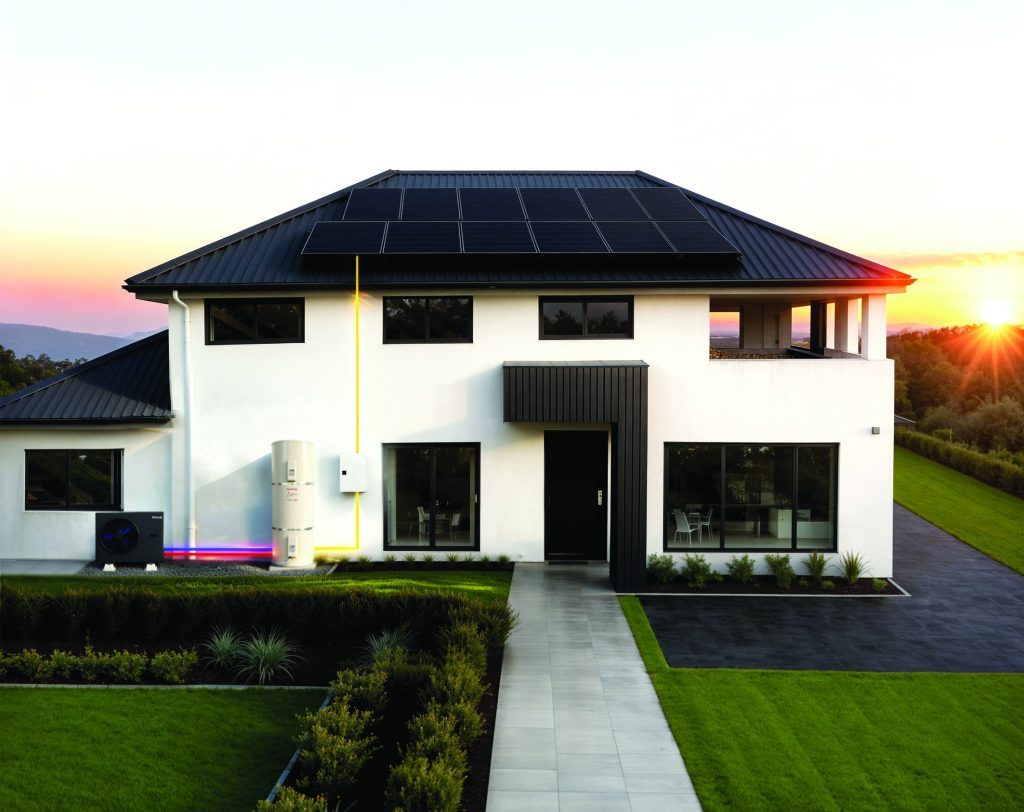
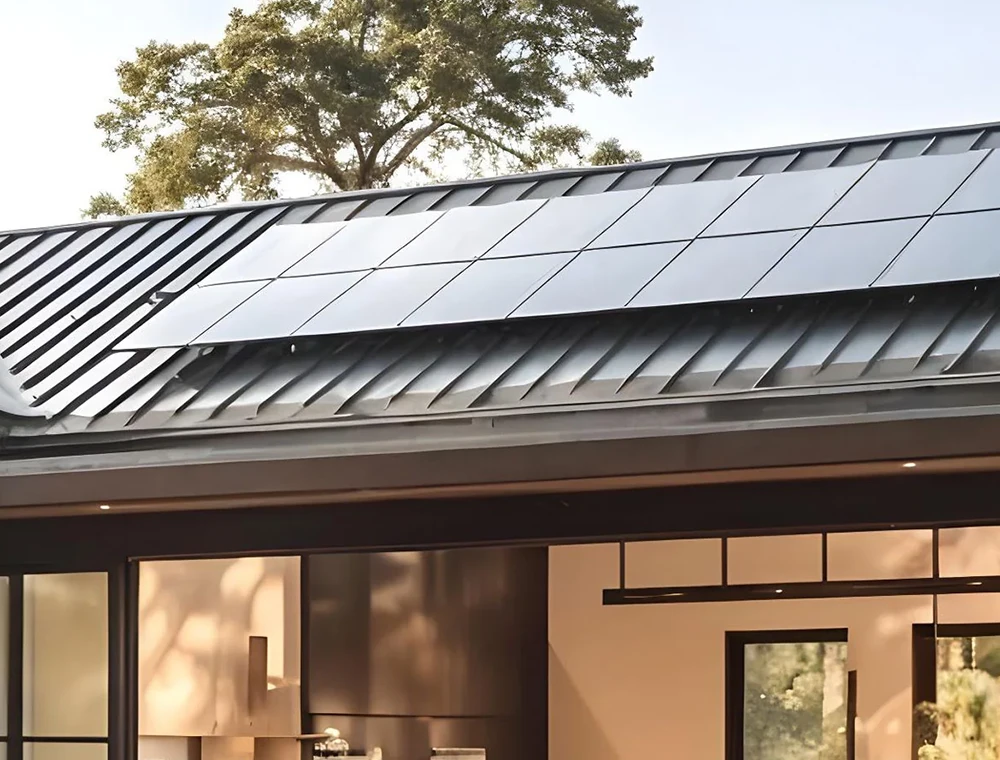
Solar photovoltaic (PV) panels convert sunlight into electricity. During the day, that electricity powers appliances in your home. If your solar system produces more electricity than your household is using, the extra power can be exported back to the grid or redirected to heat water.
A device called a solar PV hot water diverter can automatically send excess solar electricity to your hot water cylinder’s heating element. Some water heating systems already have this diverter built in, whilst on other systems a diverter can be added.
This allows your hot water system to store solar energy in the form of heated water, reducing the need for grid electricity.
Solar PV vs Traditional Solar Hot Water Systems
Solar PV systems are different from traditional solar thermal hot water systems.
Solar PV systems:
- Generate electricity from solar panels
- Electricity can power appliances or heat water
- Most are grid-connected in NZ
Solar thermal systems:
- Use roof collectors to heat water directly
- Are dedicated to hot water only
- Offer less flexibility
Because solar PV produces electricity, it provides more versatility for homeowners, allowing energy to be used across the home.
Is Solar PV Hot Water Worth It in NZ?
For many New Zealand homes, using solar power to heat water can be an effective way to reduce electricity costs. Making frequent use of the electricity your solar panels generate, rather than exporting it to the grid, is one of the best ways to maximise the value of your solar investment. Clever control systems can help by automatically directing available solar generation to your hot water system when it is most beneficial. Talk to your solar or hot water provider about the control options available for your home.
Hot water uses a significant portion of household energy, so directing solar electricity towards it can increase the value of your solar generation.
Solar PV hot water works especially well for homes that:
- Have solar panels producing excess daytime electricity
- Have large or growing households
- Are upgrading or replacing a hot water system
- Want to improve energy efficiency
Rather than exporting excess electricity to the grid for a lower return, using it to heat water can increase self-consumption and potentially deliver greater long-term savings.
Best Hot Water Systems That Work With Solar PV
If you’re installing solar or looking for the best hot water system with solar, there are three main options available.

Each solution offers different benefits depending on your home, hot water usage, and future plans.
The most common solar PV hot water solutions are:
- Electric cylinder with a solar diverter
- Heat pump hot water system with solar integration
- Use a programmable timer to match hot water heating with solar production
Option 1: Electric Cylinder + Solar PV Hot Water Diverter
One of the easiest ways to use solar energy for hot water is installing a solar PV hot water diverter with an electric hot water cylinder.
A diverter monitors solar generation and household electricity usage. When excess solar electricity is available, it redirects that power to the cylinder element instead of exporting it to the grid.
This allows your hot water system to store surplus solar electricity as heat.
Benefits of a Solar Diverter
- Simple upgrade for existing cylinders
- Maximises solar energy usage
- Reduces reliance on grid electricity
- Stores solar power as hot water
Many solar diverters can also be programmed to fully heat the cylinder overnight, taking advantage of lower electricity prices if solar energy wasn’t sufficient during the day. This combination of solar self-consumption and smart load shifting can help maximise the value of your solar generation.
EECA research shows that households with higher electricity consumption can see stronger financial returns from solar PV, particularly when they can shift more of their electricity use to times when solar generation is available. The research also identifies hot water diverters and timers as a lower-cost way to improve the value of solar PV by using the hot water cylinder as a form of energy storage.
Read the full EECA Understanding the Value of Residential Solar PV and Storage in New Zealand study.
Simultaneous (SIM) and Non-Simultaneous (Non-SIM) Dual Element Hot Water Cylinders
The type of hot water cylinder can also influence how it works with a solar diverter.
SIM cylinders have a separate element arrangement that can allow solar-generated electricity to be directed to the upper or lower element, depending on the system and control configuration. This can provide greater flexibility when managing solar energy and hot water demand.
Non-SIM cylinders typically use a single element, so solar diverter operation is generally more straightforward, with the available solar energy directed to the cylinder’s heating element.
When selecting a cylinder for a solar PV system, it’s important to consider the cylinder type, element configuration, and compatibility with the chosen diverter or control system. Always check with the solar and hot water system provider to ensure the components are compatible and correctly configured.
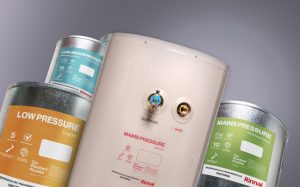
Rinnai offers an extensive range of electric hot water cylinders, including mains pressure, low pressure and coiled-cylinder options, with a variety of capacities and element configurations. Selected Rinnai cylinders are suitable for use with solar and other alternative heat sources, making it important to select the right cylinder for the intended solar PV or solar hot water application.
Explore the Rinnai hot water cylinder range.
Option 2: Use A Programmable Timer to Match Hot Water Heating with Solar Production
A simple way to increase solar self-consumption is to schedule your hot water cylinder to heat during the part of the day when your solar panels are typically producing the most electricity.
For many homes, this means setting the cylinder to heat around the middle of the day rather than relying solely on overnight heating. EECA’s modelling uses an example timer window of 11am to 3pm, chosen because it is close to the middle of the day when solar generation is typically highest.
By pre-heating the water during periods of strong solar generation, the cylinder effectively acts as a form of thermal energy storage. The stored hot water can then be used later in the day and evening, reducing the need to purchase electricity from the grid.
However, the ideal timing will depend on your solar panel orientation, season, household electricity use, electricity plan, and hot water demand. A timer provides a simple scheduled approach, while a solar diverter can respond dynamically to actual excess solar generation.
Important considerations when using timers
Hot water heat pumps: Programmable timers should not be used to switch a hot water heat pump on and off unless specifically recommended by the manufacturer. Doing so can interfere with the heat pump’s in-built programming, controls and optimisation. Instead, use the unit’s own programming and solar-compatible control functions to manage when it operates.
Legionella protection: When using a timer to limit when an electric hot water cylinder heats, provision must be made to ensure the stored water is heated sufficiently to control the growth of Legionella bacteria. New Zealand Building Code guidance requires hot water to be stored at a minimum of 60°C for Legionella control.
Depending on the cylinder and system configuration, this may be achieved through regular high-temperature heating cycles. Some NZ guidance for solar water-heating systems provides for the stored water to be heated to 60°C or higher for at least one hour once a week as one method of Legionella control. The appropriate method will depend on the specific cylinder and installation, so always follow the manufacturer’s instructions and have the system configured by a qualified installer.
It is also important to distinguish the 60°C storage temperature from the temperature delivered at the tap. Temperature control devices are required to manage the risk of scalding at outlets.
Smart controls can provide an even more flexible approach, automatically adjusting hot water heating to make better use of available solar power. Talk to your solar and hot water provider about the control options that are compatible with your system.
Option 3: Heat Pump Hot Water System with Solar PV Integration
Another highly efficient option is pairing solar PV with an energy-efficient hot water heat pump system.
Hot water heat pump systems operate differently from traditional electric cylinders. Instead of heating water directly with electricity, they extract heat from the surrounding air and transfer it into the water.
This process allows heat pumps to use up to 75% less electricity than standard electric cylinders.
When paired with solar PV, the efficiency increases even further.
Benefits of Hot Water Heat Pump + Solar
- Extremely energy efficient
- Lower mains electricity consumption
- Lower solar energy consumption
- Can run using solar-generated electricity
- Ideal when replacing an old cylinder
For example, both the Rinnai HydraHeat® Hot Water Heat Pump range & the Rinnai Enviroflo™ Hot Water Heat Pump range are designed for New Zealand homes and can integrate with solar PV systems to deliver efficient hot water year-round.
Combining solar generation with heat pump efficiency can significantly reduce long-term hot water energy costs.
Solar Diverter vs Heat Pump vs Timer-Controlled Cylinder
Choosing the best solar PV hot water solution depends on your household energy needs, budget, solar generation, and existing hot water system.
| Option | Best For | What it Does |
| Cylinder + Solar Diverter | Homes with a working cylinder wanting to maximise solar self-consumption. | Automatically redirects available excess solar electricity to heat water, helping make the most of solar generation. |
| Hot Water Heat Pump System | Homeowners replacing a hot water system and wanting maximum energy efficiency. | Extracts heat from the air and uses electricity very efficiently, while compatible systems can be controlled to make use of available solar generation. |
| Timer-Controlled Cylinder | Homes wanting a simple, cost-effective way to shift hot water heating to daylight hours. | Schedules the cylinder to heat during periods when solar production is typically highest, helping increase solar self-consumption and reduce reliance on grid electricity. |
A timer can be particularly useful where a solar diverter isn’t required or isn’t compatible with the existing cylinder. The ideal heating period will depend on the home’s solar panel orientation, season, electricity use and hot water demand.
If you’re unsure which system is right for your home, it’s best to talk to a Rinnai installer who can recommend the most suitable setup for your home and solar system.
Turn Your Solar Power Into Hot Water Savings
Installing solar panels is a great step towards reducing energy costs — but making the most of the electricity your panels generate is key to maximising your investment. Using that energy to heat hot water can be an effective way to increase solar self-consumption and reduce the amount of electricity you need to buy from the grid.

Whether you choose a solar diverter with an electric cylinder, a timer-controlled cylinder that heats during periods of peak solar generation, or a solar PV-compatible hot water heat pump, there are several ways to turn your solar generation into useful hot water.
Rinnai offers a range of hot water solutions for New Zealand homes, including solar PV-compatible hot water heat pumps and electric cylinders that can be integrated with solar diverters and control systems.
The right solution will depend on your household size, hot water demand, existing system, solar PV setup, and budget. A professional installer can assess these factors and recommend a system and control strategy that helps you make the most of your solar power, while ensuring reliable hot water year-round.
If you’re installing solar PV or upgrading your hot water system, talk to a Rinnai installer about the options available for your home.